

Introduction
State Dept Travel Warnings play a crucial role in helping travelers make informed decisions before heading abroad. Before planning any international trip, one of the biggest challenges travelers face is knowing whether a destination is truly safe or potentially risky. The U.S. Department of State regularly updates these travel warnings — also called travel advisories — to alert travelers about political unrest, natural disasters, health risks, or crime-related issues.
However, many people still overlook or misinterpret these official notices, assuming all warnings mean danger everywhere in a country — which isn’t always true. Some alerts apply only to specific regions or temporary conditions.
In this detailed guide, “3 Smart State Dept Travel Warnings – Safe or Scary?”, we’ll explore the three main types of State Dept Travel Warnings and show you how to tell the difference between truly dangerous and generally safe destinations. By understanding these warnings clearly, you can plan confidently, travel wisely, and stay secure — no matter where your next adventure takes you.
You’ll learn:
- What different State Dept Travel Warnings actually mean
- How to interpret advisory levels (1–4)
- Which countries and regions currently carry “Do Not Travel” or “Reconsider Travel” status
- How to plan a safe trip even when warnings exist
- And, how to decide between “safe” and “scary” destinations
Outline
Before we dive into the details, let’s take a quick look at what this guide covers. This outline will help you navigate each section easily — from understanding what State Dept Travel Warnings actually mean to learning how to stay safe while exploring high-risk destinations. Whether you’re a frequent traveler or planning your first international trip, this roadmap will guide you step-by-step through everything you need to know before you go.
- What Are “State Dept Travel Warnings”?
- Understanding the Advisory Levels
- The 3 Smart Warnings – Safe or Scary?
3.1. Warning #1: Do Not Travel (Level 4)
3.2. Warning #2: Reconsider Travel (Level 3)
3.3. Warning #3: Exercise Increased Caution (Level 2) - Key Reasons Behind These Warnings
- Real-World Examples: “Do Not Travel” Countries
- Travel Safety Checklist – Preparing the Smart Way
- When to Go: Risk vs. Reward Decisions
- Pro Tips for Safe Travel Anywhere
- Summary & Actionable Takeaways
1. What Are “State Dept Travel Warnings”?
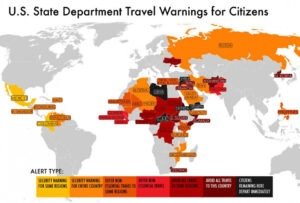
The State Dept Travel Warnings (also known as travel advisories) are official alerts issued by the U.S. Department of State to inform citizens about potential dangers in specific regions or countries. These State Dept Travel Warnings cover safety factors such as crime, terrorism, political unrest, natural disasters, and health threats. Their main goal is to help travelers make informed decisions and stay safe abroad. By analyzing global developments and intelligence reports, the department regularly updates these warnings to ensure they reflect the most current and accurate safety conditions worldwide.
2. Understanding the Advisory Levels
Before you rely on any State Dept Travel Warnings, it’s important to understand how the advisory system works. Each level represents a different degree of risk — from routine precautions to urgent “Do Not Travel” alerts. Knowing these levels helps travelers interpret State Dept Travel Warnings correctly and make smarter, safer decisions before heading abroad.
The U.S. State Department uses a four-level advisory system:
| Level | Name | Meaning | Suggested Action |
| Level 1 | Exercise Normal Precautions | Low risk | Safe to travel with standard awareness |
| Level 2 | Exercise Increased Caution | Moderate risk | Be alert and cautious |
| Level 3 | Reconsider Travel | High risk | Avoid or delay travel unless essential |
| Level 4 | Do Not Travel | Severe risk | Travel is strongly discouraged |
These levels are reviewed regularly. Understanding them helps you compare which destinations are truly “safe” and which are “scary.”
3. The 3 Smart Warnings – Safe or Scary?
Below, we take a closer look at the three most important types of travel advisories issued by the U.S. Department of State. For each advisory, we break down what makes it potentially safe for travelers and what aspects could be cause for concern. By understanding both the reassuring and alarming sides of these warnings, you can make more informed decisions and better prepare for any risks you might encounter abroad.
3.1 Warning #1: Do Not Travel (Level 4)
- Scary side: This is the most serious warning — meaning life-threatening risk, war, terrorism, or the absence of U.S. consular help. Over 20 countries currently carry this warning.
- Example: Venezuela — due to wrongful detentions and violent crime.
- Safe side: Sometimes, conditions improve and a Level 4 country can later move to Level 3 or 2 (as seen recently in some regions of China).
3.2 Warning #2: Reconsider Travel (Level 3)
- Scary side: This means you should avoid non-essential travel due to high risk factors — crime, unrest, or instability.
- Example: Parts of Mexico or Colombia fall under Level 3, not the entire nation.
- Safe side: It’s not a total ban — if you have solid planning, local support, and updated info, you can still visit select areas.
3.3 Warning #3: Exercise Increased Caution (Level 2)
- Scary side: Indicates some moderate risks — petty theft, protests, minor unrest.
- Safe side: Many tourist-friendly countries like parts of Europe or Asia remain Level 2 — safe with normal precautions.
By comparing these three warnings, you can decide which destinations are safe enough to visit and which ones to avoid entirely.
4. Key Reasons Behind These Warnings
The U.S. Department of State issues State Dept Travel Warnings for very specific reasons, all centered on keeping citizens safe while abroad. These State Dept Travel Warnings are based on factors such as rising crime rates, political unrest, health crises, natural disasters, and threats from terrorism. By understanding the key reasons behind these warnings, travelers can better assess potential risks, plan accordingly, and take necessary precautions to ensure a safer journey.
4.1 Crime & Violence
This includes risks such as robbery, mugging, assault, and organized crime, which are more prevalent in countries with unstable governments or high poverty rates. Travelers should be aware of areas prone to street crime, gang activity, or targeted attacks. Staying informed through State Dept Travel Warnings can help you avoid dangerous neighborhoods and take necessary safety precautions.
4.2 Political Unrest or Conflict
Regions experiencing civil wars, coups, mass protests, or other forms of political instability can be unpredictable and unsafe for travelers. Large demonstrations can escalate quickly, sometimes resulting in violence or disruption of essential services. Checking the latest State Dept Travel Warnings ensures you know which areas to avoid and how to travel safely during periods of unrest.
4.3 Terrorism
Terrorist attacks or threats from extremist groups can happen suddenly and without warning. Locations frequented by tourists or government facilities may be targeted. By following State Dept Travel Warnings and local guidance, travelers can minimize exposure to high-risk areas and stay alert to potential dangers.
4.4 Health Risks
Travelers may face health risks such as disease outbreaks, pandemics, or regions with limited access to quality healthcare. Vaccinations, preventive medications, and awareness of local health advisories are critical for a safe trip. Monitoring State Dept Travel Warnings helps you prepare for health emergencies and avoid areas with high infection rates.
4.5 Natural Disasters
Certain destinations are prone to earthquakes, floods, hurricanes, tsunamis, or volcanic eruptions. These disasters can disrupt travel plans, damage infrastructure, and endanger lives. Paying attention to State Dept Travel Warnings allows travelers to plan trips around high-risk seasons and take safety measures if a natural disaster occurs.
4.6 Kidnapping or Detention
Kidnapping or unlawful detention is a risk in regions where anti-foreign sentiment, militant activity, or political tensions exist. Travelers should exercise extreme caution, avoid risky areas, and follow guidance from local authorities. Checking State Dept Travel Warnings before traveling can help identify high-risk zones and suggest precautions to prevent such incidents.
Each factor varies by country. That’s why checking the official State Dept website before traveling is crucial.
5. Real-World Examples: “Do Not Travel” Countries
Certain countries are flagged as “Do Not Travel” destinations in the State Dept Travel Warnings due to extreme risks such as ongoing armed conflicts, widespread crime, terrorism, or severe health crises. Real-world examples help travelers understand why these alerts are issued and which regions to avoid entirely. By reviewing these cases, you can see how political instability, natural disasters, or security threats have made some countries too dangerous for tourists, emphasizing the importance of following official travel guidance before planning your trip.
- Venezuela: High crime, wrongful detentions, political instability.
- Iran: Dual-national detentions and lack of U.S. assistance.
- Lebanon: Armed conflict risk due to regional tensions.
- Afghanistan, Yemen, Syria: War, terrorism, and collapsed infrastructure.
- Parts of Bangladesh: Some regions under “Reconsider Travel” due to unrest.
- China: Recently downgraded from Level 3 to Level 2 — improved conditions.
These examples show how quickly global conditions can shift — reinforcing why State Dept Travel Warnings are updated frequently.
6. Travel Safety Checklist – Preparing the Smart Way
Before heading abroad, following a Travel Safety Checklist is essential to ensure a smooth and secure journey. By consulting the latest State Dept Travel Warnings, travelers can identify potential risks, prepare necessary documents, and plan for emergencies. This checklist includes steps like registering with the nearest U.S. embassy, arranging travel insurance, understanding local laws, and keeping emergency contacts handy. Preparing the smart way helps you stay safe, avoid unexpected dangers, and enjoy your trip with greater peace of mind
- Check your destination’s latest advisory on the official website.
- Enroll in the STEP (Smart Traveler Enrollment Program).
- Save your nearest U.S. Embassy/Consulate contact info.
- Plan safe routes and verified accommodations.
- Get comprehensive travel insurance covering emergencies.
- Learn about local laws and customs.
- Stay updated on local news and protests.
- Keep digital and physical copies of documents.
- Avoid unfamiliar or unlit areas at night.
- Trust your instincts — if something feels unsafe, it probably is.
These steps align perfectly with State Dept Travel Warnings recommendations.
7. When to Go: Risk vs. Reward
Choosing the right time to travel requires weighing potential risks against the rewards of your trip. By reviewing State Dept Travel Warnings, you can identify periods of political unrest, seasonal natural disasters, or heightened crime rates that may affect your destination. Understanding these risks allows travelers to plan trips during safer periods, take advantage of lower travel costs, and enjoy experiences without compromising safety. Smart timing ensures you maximize enjoyment while minimizing exposure to avoidable danger-
- Purpose of travel: Is it leisure, business, or humanitarian work?
- Timing: Avoid monsoon, disaster, or election seasons.
- Local feedback: Listen to on-ground reports, not just headlines.
- Alternate routes: Choose safer entry or exit points.
- Canceling is okay: Sometimes walking away from a trip is the smartest decision.
This mindset — evaluating safe vs. scary — helps make rational, informed decisions.
8. Pro Tips for Safe Travel Anywhere
Traveling safely anywhere in the world requires more than luck—it demands preparation and awareness. By paying attention to State Dept Travel Warnings, you can anticipate potential hazards and plan accordingly. Pro tips include staying informed about local news, keeping digital and physical copies of important documents, avoiding high-risk areas, and maintaining regular check-ins with family or local authorities. Following these expert strategies ensures you can explore confidently while minimizing risks, making every trip both enjoyable and secure:
- Travel during daylight hours
- Prefer group travel over solo journeys
- Use verified taxis or rideshare apps
- Keep offline maps and emergency contacts
- Split cash and cards across locations
- Know the nearest hospital and embassy
- Limit social media check-ins
- Carry essential medicines and first aid
- Monitor local transportation advisories
9. Summary & Actionable Takeaways
In summary, staying informed through State Dept Travel Warnings is key to safe and smart travel. By understanding advisory levels, recognizing potential risks, and following practical safety tips, travelers can make well-informed decisions. The actionable takeaways include checking warnings before booking, preparing a travel safety checklist, avoiding high-risk areas, and staying alert throughout your journey to ensure a secure and enjoyable trip:
Summary
The State Dept Travel Warnings system exists to protect travelers by providing country-specific risk guidance.
Through this guide, you learned about the three main levels (4, 3, and 2), their meanings, causes, and real-life examples.
We also discussed how to prepare, when to travel, and how to stay safe under different advisory levels.
Action Steps
- Always check the official State Dept website before booking.
- Register in STEP for real-time alerts.
- Note down embassy and emergency contacts.
- Avoid Level 3–4 countries unless absolutely necessary.
- And remember: sometimes not traveling is the best form of safety.
✅ Final Thought:
No destination in the world is completely free of risk. However, by paying close attention to State Dept Travel Warnings, staying vigilant while traveling, and preparing thoughtfully in advance, you can significantly reduce potential dangers. Careful planning, awareness of local conditions, and following safety best practices can transform what might initially seem like a risky trip into a secure, smooth, and truly memorable travel experience.